Somewhere around 2021, a new way of buying design showed up: pay one flat monthly fee, request as much design work as you want, and get it back in a couple of days. No hourly billing, no project quotes, no hiring.
Five years later, the model has matured. There are now dozens of services selling “unlimited design” at prices anywhere from $250 to $9,000 a month, and the word unlimited means something different at almost every one of them.
We run one of these services, so we know the model inside and out, including the parts most sales pages skip. This guide explains how subscriptions actually work, what they cost in 2026, and how to avoid picking the wrong one.
How an unlimited design subscription actually works
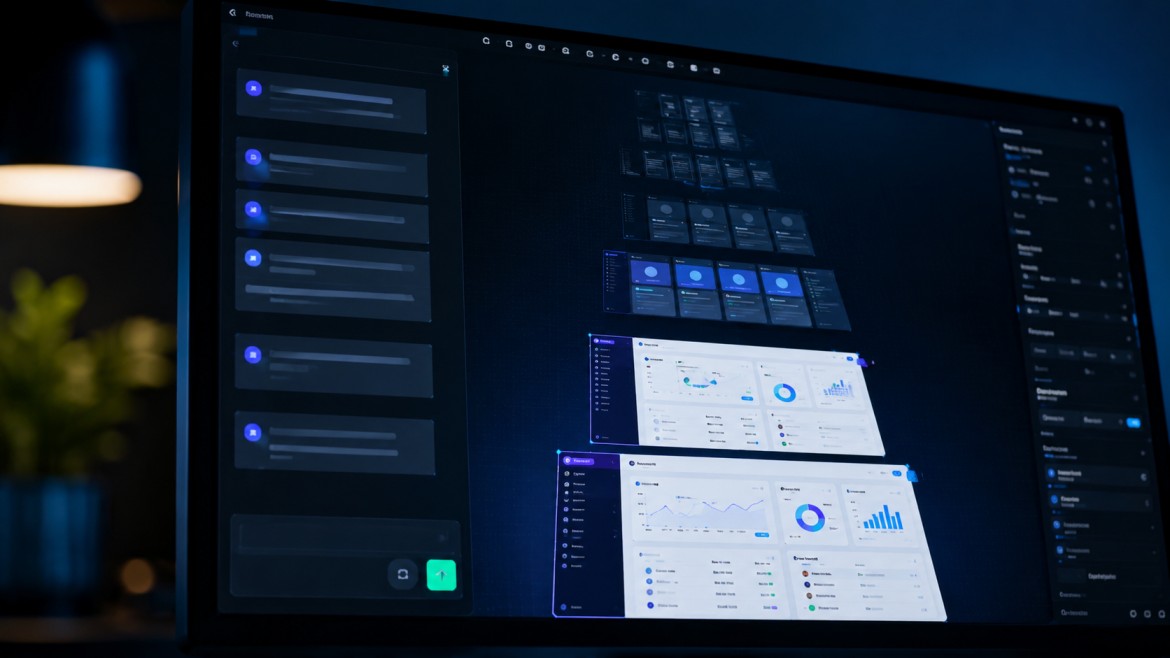
The mechanics are simple. You subscribe, you get access to a request board (usually Notion, Trello, or Slack), and you add design tasks to a queue. The team works through your queue, typically one request at a time, and delivers each one in 24 to 72 hours. You review, ask for revisions, approve, and the next request starts.
That queue is the detail that matters. “Unlimited” means you can add as many requests as you want. It does not mean ten designers working on ten things at once. Your backlog is unlimited. The throughput is not.
This sounds like a catch, but it’s actually why the model works. The service can charge a flat fee because its capacity per client is predictable. You get senior people at a fraction of agency rates because nobody is padding hours.
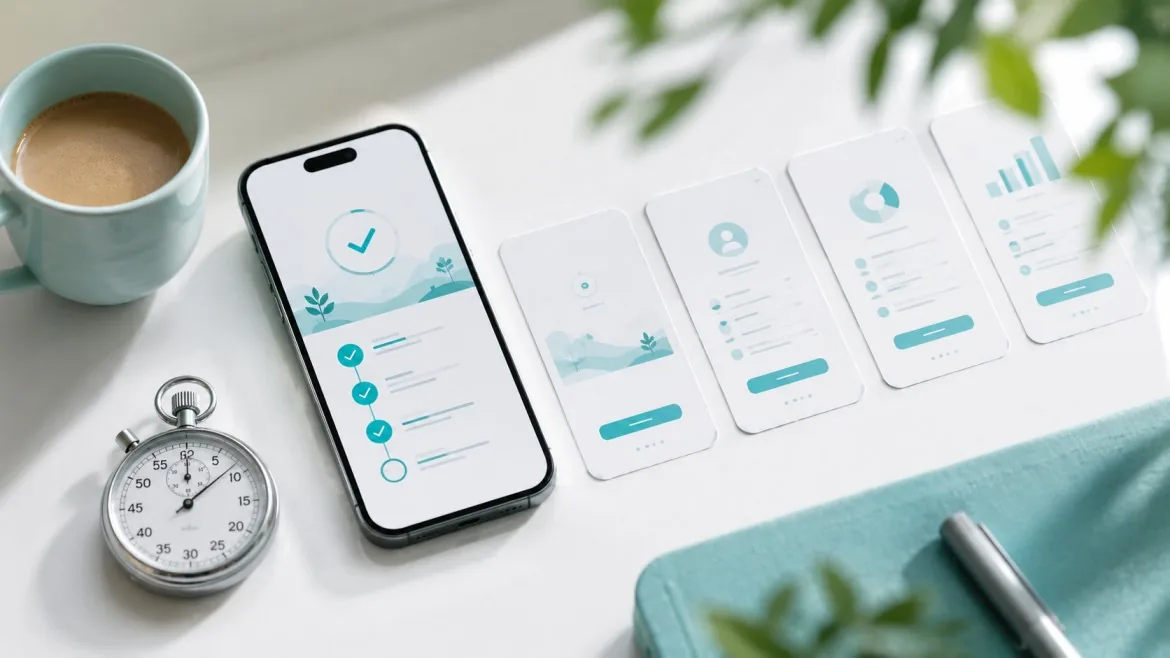
A realistic month: queue eight requests. A landing page, three product screens, a deck refresh, two ad sets, a pricing page. The team delivers roughly one every two days. By month’s end, all eight are done.
The same scope at an agency would have been quoted as two or three separate projects, with two or three separate invoices.
What it costs in 2026
The market has settled into three rough tiers.
Above that sits the enterprise bracket, $9,000 a month and up, which is really a different product: dedicated creative teams for companies with constant high volume.
That gap is the entire reason this market exists.
What you can request, and what you can’t
A good premium subscription covers most things a startup needs: landing pages, app and dashboard UI, onboarding flows, design systems, brand identity, pitch decks, email templates, and ad creatives. If the service includes development, Webflow and Framer builds too.
What it doesn’t cover is full product engineering: backend, databases, native apps, AI integrations. If a subscription service tells you they’ll build your entire product inside the monthly fee, be skeptical. That work needs a fixed scope and a real engineering process. Our parent studio handles those as separate fixed-price projects, which is the honest way to do it.
The other thing a subscription won’t do is strategy. You bring the direction and the priorities; the service executes fast. If you don’t know what you want to build or test, the queue just sits there.
The fine print is worth reading
Four things separate good services from disappointing ones, and none of them are on the pricing page.
- Who actually does the work? Ask directly: who will work on my account, and how long have they been with you? A single freelancer pool usually shows up in your third or fourth request, when the style suddenly changes.
- Real turnaround, not advertised turnaround. Everyone says 48 hours. Ask what happens with a complex request, like a full app redesign. The honest answer: big projects get split into milestones delivered every day or two.
- Revision policy in practice. Unlimited revisions are standard language. What matters is what happens when a design is fundamentally not working after three rounds—good services reassign or rework the brief; bad ones keep polishing something broken.
- Pause terms.The best version: pause anytime, unused days roll over, billing in 31-day cycles. A service confident in its quality doesn’t need to trap you to keep you.
Who the model fits, honestly
A subscription makes sense when you ship at least three design projects a month, when you care about speed, and when you’d rather have a predictable cost than negotiate quotes. That describes most startups between pre-seed and Series B, plus agencies that resell design capacity.
It’s the wrong choice if you need one logo and nothing else for six months—hire a freelancer for that. It’s also wrong if you need ten parallel workstreams with strategy included. That’s agency territory, and you’ll pay agency prices for it because the coordination is genuinely expensive.
The honest test: count your design needs from the last 90 days. If you shipped, or wanted to ship, more than two pieces of design work a month, and any of it sat waiting on a freelancer’s availability, the math almost certainly favors a subscription.
How we run it at DesignShare
Since we’re writing this, here’s our version of the answers above. One flat fee of $3,495 a month. A senior designer, a senior web developer, and a project manager on every account, all from Elegant IT Limited, the studio behind DesignShare since 2017. One active request at a time with an unlimited queue. Around 48 hours per request on average. Delivery in Figma, Webflow, or Framer. Pause anytime with rollover days, and a 7-day guarantee where we refund 75% of your first month if the quality, speed, or communication isn’t what you expected.
We built it this way because we’d seen the failure modes: the solo operator who disappears on vacation, the freelancer pool with no memory of your brand, the agency invoice that doubles mid-project. A stable senior team on a flat fee fixes all three.