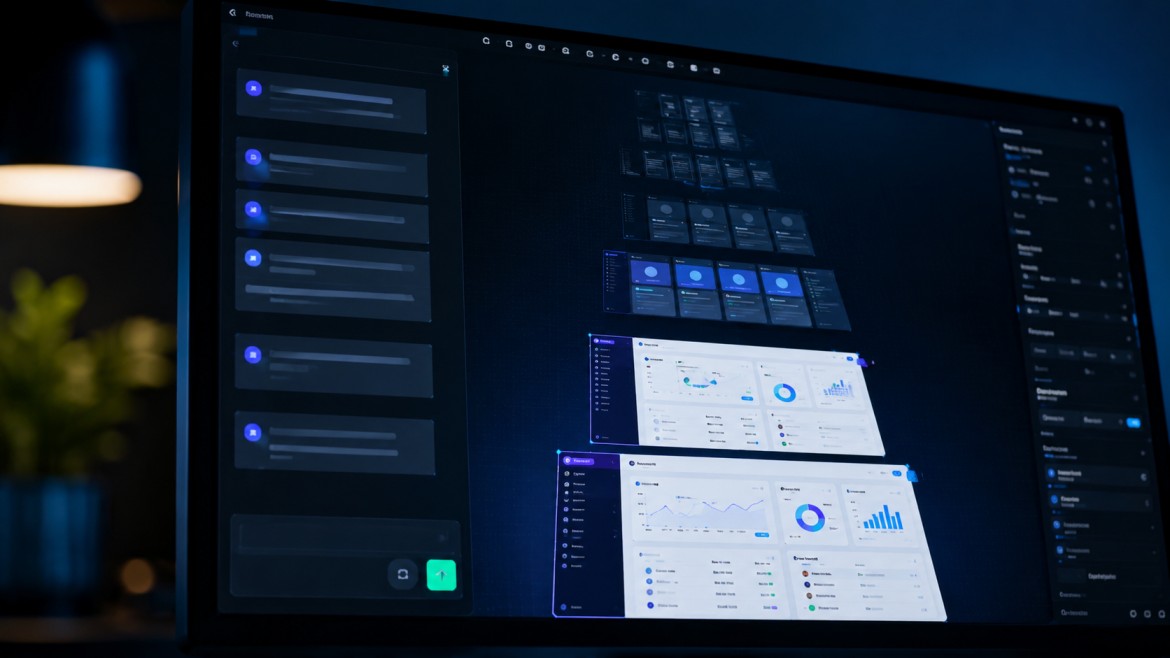
Figma’s May 2026 release quietly crossed a line: AI agents can now create and modify live Figma files, using your real components, variables, and styles through deeper MCP (Model Context Protocol) integration and “write to canvas” skills.
With Config 2026 set for June 24 and 25, design is about to have its agentic moment. Here’s what actually changed, and what it means if you run a startup.
What Figma shipped (and why it matters)
Three things stand out from the recent releases:
- Custom skills in Figma Make—teams encode their conventions and repeated workflows as markdown instructions an AI can follow. Your design system stops being a PDF and becomes executable knowledge.
- Deeper MCP integration—agents can translate code into Figma designs and back. The design-to-code wall is dissolving in both directions.
- Write-to-canvas agents—AI that drafts real screens in your file with your components, not throwaway mockups in a separate tool.
Figma has partnered with both OpenAI and Anthropic, and the whole stack—Make, Sites, Dev Mode, and Weave—is converging on one idea: the gap between idea and shipped product is collapsing.
What this means for founders
Speed is now table stakes
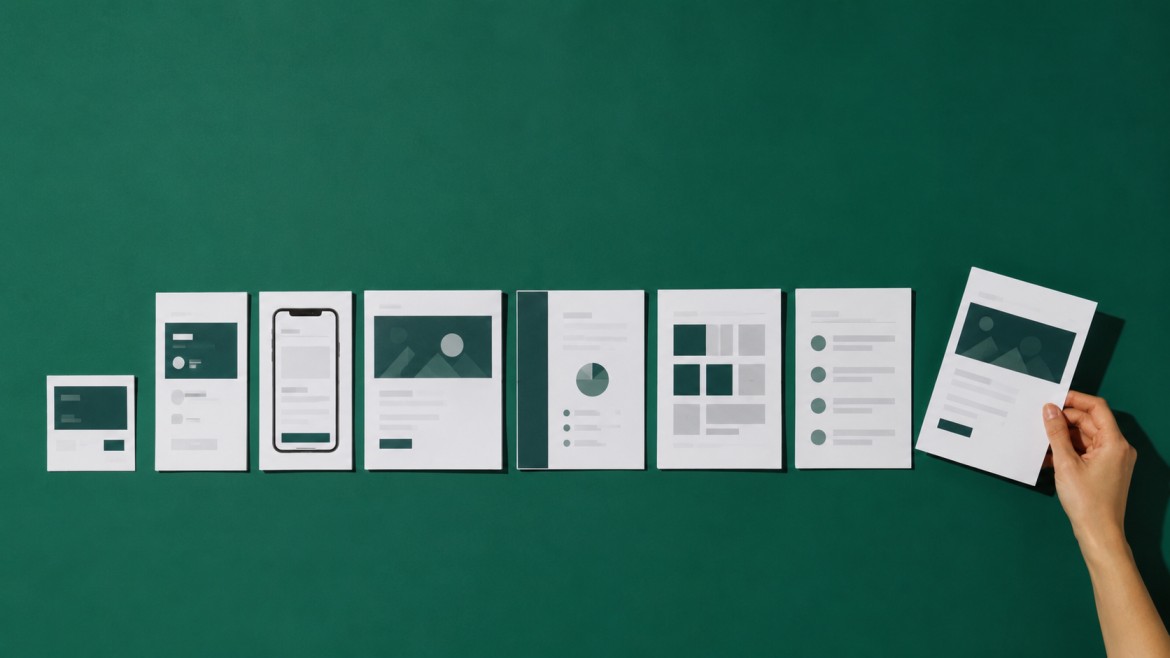
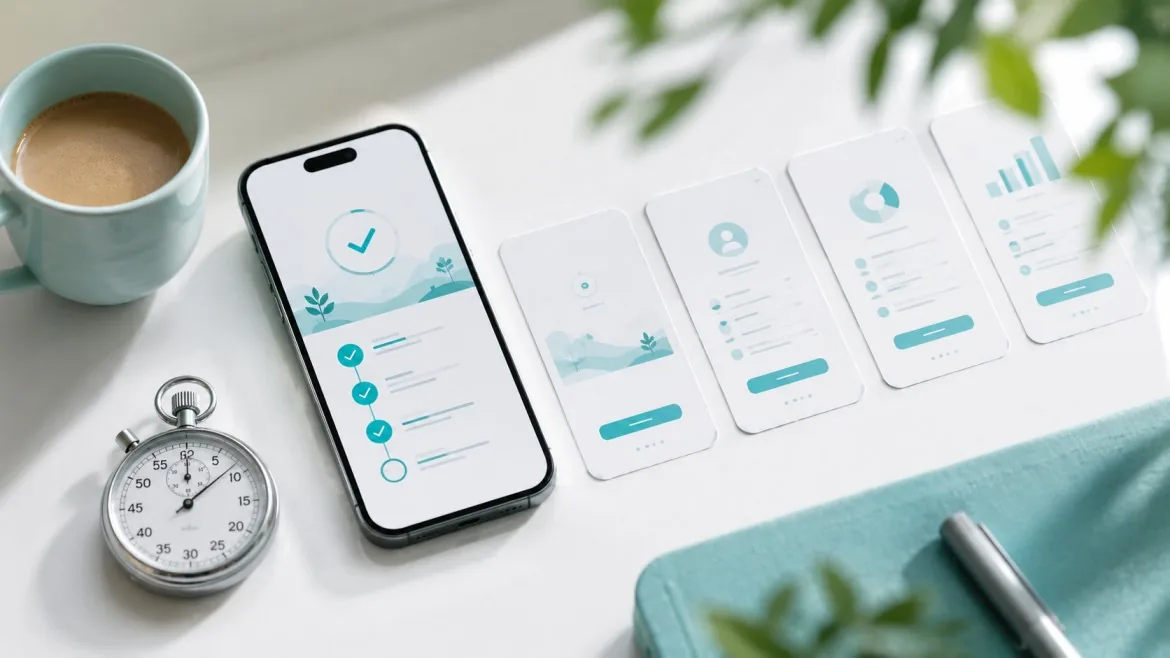
“Vibe designing” means AI-assisted research, wireframing, and prototyping compressed into hours, so you can have clickable prototypes in an afternoon. If your design partner still quotes two weeks for a landing page, they are working like it’s 2023.
AI doesn’t replace senior judgment; it amplifies it
Agents generate volume; they don’t know your user, your funnel, or why option B converts. The leverage goes to senior designers using agents, while junior-heavy teams lose their cost advantage. AI does junior work for free now.
Your brand needs to be machine-readable
The same shift is happening in search: AI assistants now answer buying questions directly. Think of your design system as token files and structured data on your site. “Machine Experience” is becoming the new cost of visibility.
What to do before Config 2026
- Audit your design ops. If every screen still starts from a blank canvas, you are paying a speed tax.
- Move brand guidelines into a structured form: tokens, components, and written conventions that an agent can execute.
- Ask your design partner how they use AI.The honest answer should include specific tools and a faster turnaround, not “we’re exploring it.”
- Watch Config (June 24 and 25)for the agent announcements, then expect every design vendor’s pricing to be repriced against AI-augmented speed.
How we use this at DesignShare
Our team runs AI-assisted research, wireframing, and iteration internally—it’s how we hold a ~48-hour average turnaround with senior-only designers. The model we bet on: flat fee + senior judgment + agentic speed. The hourly-billing agency model is the one this wave breaks.
The studio behind DesignShare, Elegant IT Limited, has been shipping product design for startups since 2017. We adopted AI-first workflows across the board so every client gets the speed benefit without paying more.
This is the same idea behind design.md and skill libraries: brand guidelines that stop living in a PDF and become something an agent can actually execute.